
Vestibular Therapy
Vestibular Therapy in the Chicagoland Area
Help for Dizziness, Vertigo, and Balance Difficulties
Dizziness and unsteadiness can make everyday activities feel unpredictable. Turning your head, getting out of bed, walking through a store, or navigating stairs may become uncomfortable or challenging.
ReLive Physical Therapy provides vestibular rehabilitation for patients throughout Chicagoland and Northwest Indiana. Our therapists evaluate your symptoms and movement concerns to determine whether vestibular therapy is appropriate and develop a plan around your needs.
Contact our team to discuss your concerns and confirm vestibular provider availability at a convenient location.
What Is Vestibular Rehabilitation Therapy?
Vestibular rehabilitation therapy, often called VRT, is a specialized form of physical therapy that addresses certain dizziness, visual stability, and balance problems.
Your vestibular system includes structures in the inner ear that help detect head movement and position. It works with your vision and other sensory information to help you stay oriented and steady.
When this system is affected, rehabilitation may help you manage symptoms and improve daily function. Treatment depends on the cause of your symptoms and the findings of your evaluation.
When Should You Consider a Vestibular Evaluation?
Talk with a healthcare professional if you experience:
- A spinning sensation, also called vertigo.
- Dizziness associated with changes in head position.
- Unsteadiness when standing or walking.
- Difficulty keeping your vision clear during head movement.
- Discomfort in busy visual environments.
- Motion sensitivity that limits daily activities.
- Repeated near-falls or concern about losing your balance.
These symptoms do not automatically mean you have a vestibular disorder. Dizziness can have several causes, and medical assessment may be needed before or alongside physical therapy.
Conditions That May Benefit From Vestibular Rehabilitation
Benign Paroxysmal Positional Vertigo — BPPV
Vestibular Neuritis or Labyrinthitis
Vestibular Migraine
Persistent Balance Problems Related to Ménière’s Disease
Symptoms Following a Concussion or Neurological Condition
Benign Paroxysmal Positional Vertigo — BPPV
BPPV is an inner-ear condition that can cause brief episodes of spinning with certain changes in head position. When testing identifies BPPV, a trained clinician may use a repositioning procedure suited to the findings.
Vestibular Neuritis or Labyrinthitis
Some patients experience lingering dizziness or imbalance following these inner-ear conditions. Once medically assessed, vestibular rehabilitation may help address remaining movement and balance difficulties.
Vestibular Migraine
People with vestibular migraine may experience dizziness, motion sensitivity, or imbalance. Rehabilitation may be recommended as one part of care alongside medical management.
Persistent Balance Problems Related to Ménière’s Disease
Some patients may benefit from rehabilitation for ongoing balance difficulties between episodes. Therapy does not replace medical treatment for the underlying condition.
Symptoms Following a Concussion or Neurological Condition
Vestibular rehabilitation may be appropriate for selected patients with persistent dizziness or balance difficulties following a concussion or another neurological condition. Treatment requires an individualized assessment and coordination with the medical care plan.
Contact ReLive to confirm the appropriate provider for your diagnosis and rehabilitation needs.
Vestibular Treatment Options at ReLive
Your therapist will recommend techniques based on your evaluation. Not every patient needs the same exercises or procedures.
Gaze Stabilization
These exercises address difficulty maintaining clear vision during head movement. Your therapist selects and adjusts activities based on your symptoms and abilities.
Habituation Exercises
For selected patients, carefully prescribed exposure to movements that provoke symptoms may help reduce sensitivity over time. Your therapist will explain the intended response and how to recognize when an activity needs adjustment.
Balance and Walking Training
Treatment may include activities that challenge stability, stepping, turning, and walking. Exercises are adapted to your current abilities and practical goals.
Canalith Repositioning Procedures
When appropriate for confirmed BPPV, these procedures use a specific sequence of positions to address displaced particles within the inner ear. The technique depends on the type and location of BPPV identified.
Infrared Video Goggles
ReLive lists infrared video goggles among its vestibular assessment tools. These may help a trained provider observe eye movements during selected tests. Ask about equipment and provider availability when scheduling.
Treatment Connected to Your Daily Life
Your goals may involve moving around your home, shopping, returning to work, or feeling steadier while walking outdoors.
Tell your therapist which situations are difficult and what you have started avoiding because of symptoms. This helps guide a plan that addresses meaningful activities.
Your care may include supervised treatment, an individualized home program, and practical guidance about movement. Progress is reviewed so exercises can be adjusted as your symptoms and abilities change.
What to Expect at Your First Appointment
- Discuss Your Symptoms
- Your therapist will ask when symptoms began, how long episodes last, and what seems to trigger them. Share any hearing changes, headaches, falls, previous testing, and relevant medical diagnoses.
- Review Your Movement and Balance
- Depending on your concerns, the evaluation may include eye and head movement tests, positional testing, walking, and balance activities. Your therapist will explain the tests before proceeding.
- Understand the Recommendations
- You will discuss whether vestibular rehabilitation is appropriate, what treatment may involve, and whether additional medical assessment is needed.
- Plan Your Next Steps
- Your therapist will explain appointment recommendations and any home exercises. Ask what symptoms to expect during prescribed activities and when to pause or contact your provider.
Frequently Asked Questions About Vestibular Therapy
Are dizziness and vertigo the same thing?
Dizziness is a broad term people use for several sensations, including lightheadedness or unsteadiness. Vertigo specifically describes a false sensation of movement, often spinning. Describing exactly what you feel helps your clinician evaluate the concern.
Can physical therapy help every type of dizziness?
No. Dizziness can arise from vestibular conditions or other medical issues. An evaluation helps determine whether rehabilitation is appropriate or whether another type of care is needed.
Is vestibular therapy the same as balance therapy?
They overlap, but they are not identical. Vestibular therapy addresses specific problems involving dizziness, visual stability, and the vestibular system. Balance therapy may address a broader range of strength, walking, and stability limitations.
Will treatment make me dizzy?
Some tests and exercises may briefly reproduce symptoms. Your therapist should explain what to expect and adjust the activity to your response. Tell your therapist if symptoms are severe, unusual, or do not settle as instructed.
How many appointments will I need?
The number varies with the condition, symptom severity, and response to treatment. Your therapist can discuss expectations after evaluating you and reassess progress throughout care.
Can I do vestibular exercises from an online video?
Exercises and repositioning procedures should match your diagnosis and physical abilities. A technique intended for one condition may not be appropriate for another. Follow an individualized program from your treating clinician.
What should I bring to my appointment?
Bring your medication list, relevant medical records or test results, any referral, and your usual walking aid if you use one. Wear comfortable clothing and supportive shoes. Ask about any specific preparation instructions when scheduling.
Do I need a referral?
Referral and insurance authorization requirements vary. Contact ReLive before scheduling to confirm what is needed for your appointment.
Is vestibular rehabilitation covered by insurance?
Coverage depends on your plan and the services provided. Confirm benefits, authorization requirements, and potential out-of-pocket costs before beginning care.
When should I seek urgent medical attention?
Sudden dizziness or balance loss accompanied by weakness, facial drooping, trouble speaking, a severe new headache, or difficulty walking requires emergency medical attention. Do not wait for a therapy appointment. Sudden hearing loss also needs prompt medical assessment.
Find Vestibular Therapy in Chicagoland and Northwest Indiana
ReLive Physical Therapy serves patients across the greater Chicago region through a network of local clinics.
Whether you are exploring care near Elmhurst, Bloomingdale, Crown Point, or another ReLive location, our team can help you identify an appropriate vestibular provider. Specialized services and equipment may vary by clinic.
Visit our location pages for addresses and contact information, or call (630) 339-3849 to discuss your symptoms and scheduling needs.
Services Offered

Aquatic Physical Therapy
Patients love our aquatic therapy! It is easier on your joints and muscles as you get moving again. Aquatic therapy is fun and effective! Learn more here

Auto Accident Physical Therapy
Have you been in a car, truck or motorcycle accident? Whiplash, back pain, headaches - ReLive treats it all! Call us today.

Balance & Fall Prevention
It can be difficult to keep our balance and falls become more common as we age. Check out ReLive's Balance & Fall Prevention program to reduce those risks.

Certified Hand Therapy
Hand injuries can be a difficult area to achieve 100% recovery. However, our hand therapists are known for spectacular results.
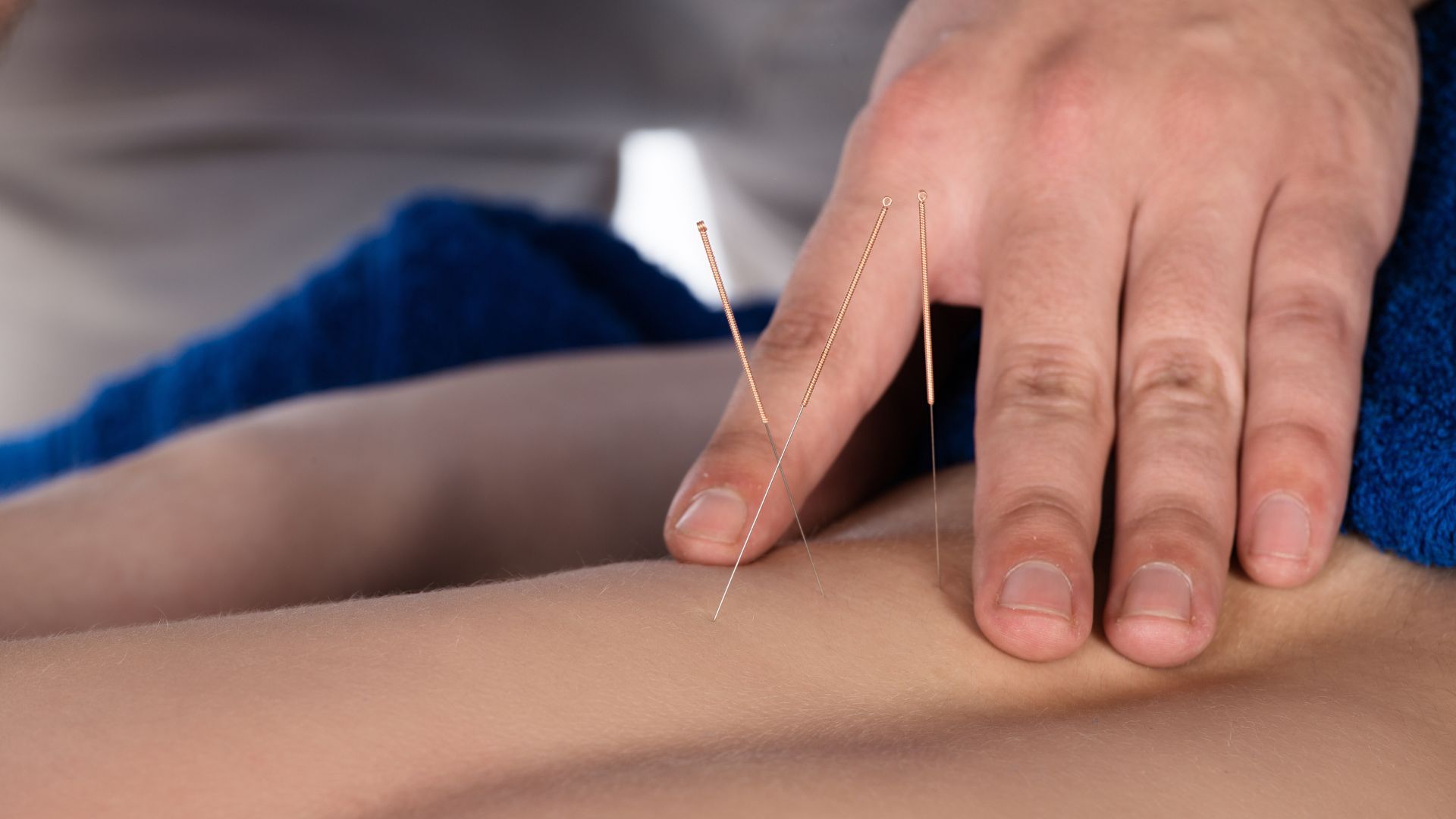
Dry Needling
Dry needling is becoming more and more popular for injury and muscle recovery due to immediate relief. See one of our certified dry needling experts today!

Free Injury Screening
ake advantage of our Free Injury Screening offer. One of our PT's will be able to tell you and show you how we can help you get back to full mobility.

Manual Therapy
ReLive's dedicated 1:1 therapy ensures you get manual therapies done thoroughly. Tired of being treated in groups? Call ReLive today!
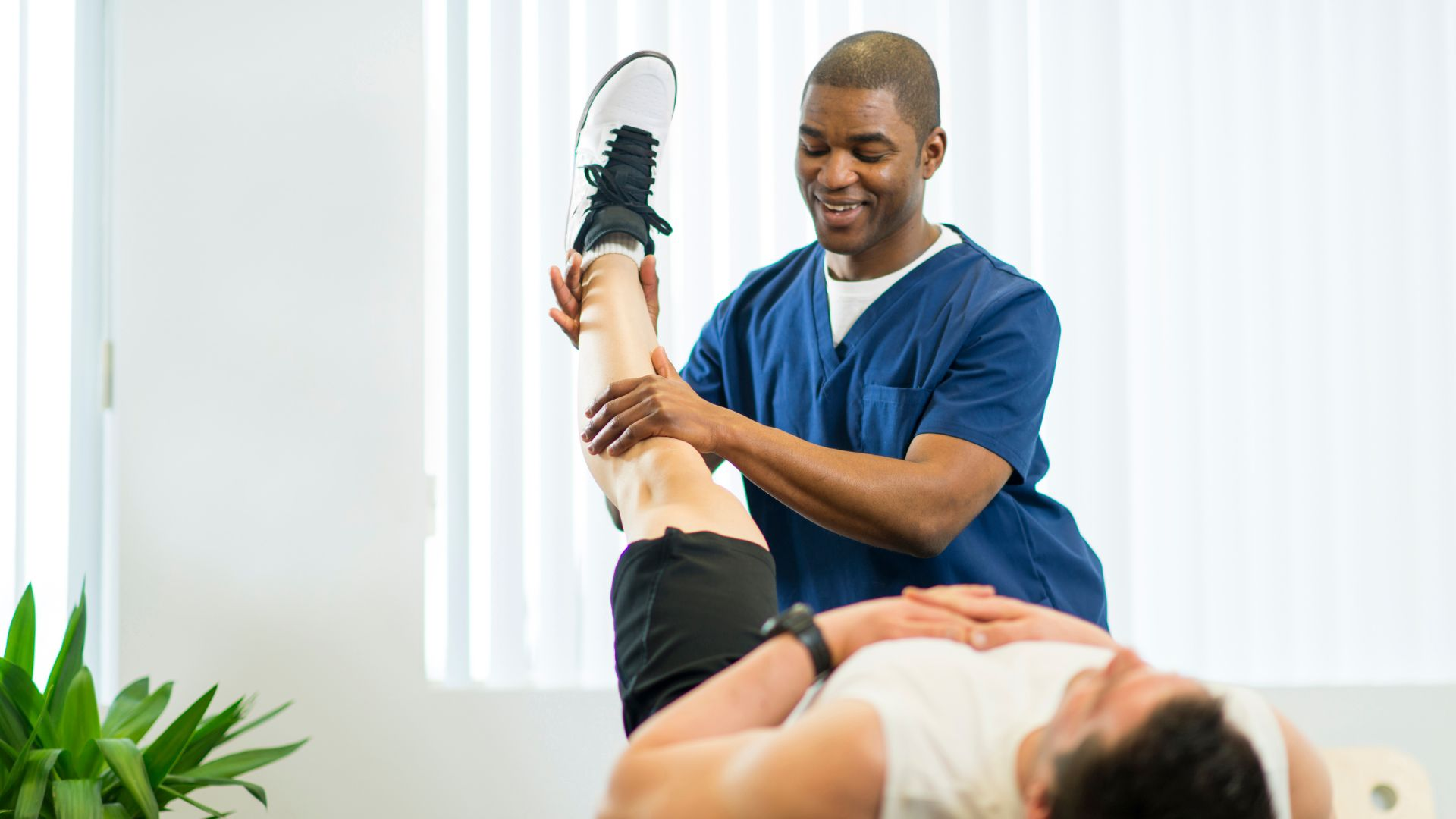
Post-Surgery Physical Therapy
PT after surgery ensures that you recovery fully and get the maximum range of motion. Get better faster with ReLive's post surgery program.

Sports Medicine
With our passionate sports medicine physical therapists, you'll be back in the game and top performance in no time. Call today to learn more.

Vestibular Therapy
Do you suffer from vertigo or dizziness? Did you know that physical therapy can help long & short term? Learn how we can help eliminate vertigo.

Women’s Health & Pelvic Floor Physical Therapy
We have specialty therapists fluent in women's health therapy, including pelvic floor and other treatment needs. Call ReLive today to learn more!

Work Injury Therapy
Physical therapy after a work injury is essential for preventing long-term damage. Our therapists will get you recovered and ready for work.

Request an appointment

Talk to one of our physical therapy experts

Get started on your journey to healing
Take the Next Step Toward More Confident Movement
If dizziness, vertigo, or unsteadiness is affecting your routine, contact ReLive to discuss whether a vestibular evaluation is the right next step.
Call (630) 339-3849 or request an appointment online. A Patient Service Advocate will follow up to confirm scheduling details and help coordinate care with an appropriate provider.