
Dry Needling
Dry Needling in the Chicagoland Area
Take the Next Step Toward More Comfortable Movement
Muscle tightness and persistent pain can make work, exercise, and everyday activities more difficult. ReLive Physical Therapy offers dry needling as part of individualized physical therapy care, with multiple clinic locations serving the greater Chicago area.
Whether you are managing an ongoing concern or working toward returning to your usual activities, our team can help you arrange an evaluation and determine whether dry needling is appropriate for your needs.
What Is Dry Needling?
Dry needling is a treatment that uses a thin, sterile needle to target selected muscles and trigger points—sensitive areas commonly described as muscle knots. The needle does not inject medication.
Physical therapists may use dry needling to help address muscle-related pain, tightness, and limited movement. It is generally incorporated into a broader physical therapy plan that may also include therapeutic exercise, stretching, and hands-on treatment.
At ReLive Physical Therapy, the goal is to connect treatment to what matters to you: moving more comfortably, participating in daily activities, and working toward your recovery goals.
How Can Dry Needling Help?
When muscle pain or stiffness limits your movement, dry needling may be one option within your rehabilitation plan. Depending on your evaluation, treatment goals may include:
- Reducing muscle-related pain and discomfort.
- Easing tightness in selected muscles.
- Improving range of motion.
- Making rehabilitation exercises more manageable.
- Supporting a return to everyday activities and exercise.
Your response to treatment may differ from someone else’s. Your therapist will consider your symptoms, medical history, and progress when recommending whether to include or continue dry needling.
Is Dry Needling Right for Your Symptoms?
ReLive Physical Therapy evaluates patients with a variety of concerns, including:
- Neck pain and muscle tension.
- Low back pain.
- Tennis elbow and golfer’s elbow.
- Hip, buttock, and groin discomfort.
- Muscle tightness associated with sports or repetitive activities.
- Persistent muscle-related pain and movement limitations.
These symptoms can have different causes. Having pain in one of these areas does not automatically mean dry needling is the right treatment.
An evaluation helps your therapist understand what may be contributing to your discomfort, which movements are affected, and what approach fits your needs.
How Dry Needling Fits Into Your Physical Therapy Plan
Reducing discomfort is one part of rehabilitation. Building strength, improving movement, and preparing for the demands of daily life may also be important.
When appropriate, dry needling can complement other parts of your care, such as:
Therapeutic exercise
Manual therapy
Activity guidance
Progress Toward Work-Related Goals
Therapeutic exercise
Exercises selected to address strength, mobility, and movement goals.
Manual therapy
Hands-on techniques used when appropriate to address movement restrictions and discomfort.
Activity guidance
Recommendations to help you approach work, exercise, and daily activities as you progress.
Progress Toward Work-Related Goals
As your recovery progresses, treatment may include more demanding activities or work-focused rehabilitation when appropriate. Not every patient needs work conditioning, work hardening, or an FCE.
Your therapist can explain why each treatment is recommended and how it relates to your goals.
What to Expect at Your Dry Needling Evaluation
Discuss Your Symptoms and Goals
Start by sharing where you feel discomfort, how long it has been present, and which activities are difficult. Let your therapist know what you hope to return to doing.
Review Your Health History and Movement
Your therapist will evaluate your concerns and review relevant medical information. Be sure to mention recent surgery, medications, and other health conditions that could affect treatment decisions.
Talk Through Your Options
If dry needling is appropriate, your therapist will explain the proposed treatment, potential benefits, limitations, and risks. You can ask questions and discuss alternatives before deciding whether to proceed.
Plan Your Next Steps
Your treatment recommendations will depend on your evaluation. Ask how dry needling would fit into your overall care, what to expect afterward, and how your progress will be assessed.
Frequently Asked Questions About Dry Needling
Does dry needling hurt?
Some people feel a brief prick, aching, or a muscle twitch during treatment. Temporary soreness can also occur afterward. Let your therapist know how you are feeling throughout treatment so they can assess your response.
Is dry needling the same as acupuncture?
No. Both use thin needles, but their approaches and treatment frameworks differ. In physical therapy, dry needling is used to address selected muscle and movement-related concerns as part of a rehabilitation plan.
How many dry needling sessions will I need?
There is no single schedule that fits everyone. Recommendations depend on your symptoms, evaluation, goals, and response to care. Your therapist can discuss an initial plan and reassess it as treatment progresses.
Can dry needling help with sports rehabilitation?
Dry needling may be considered when muscle-related pain or tightness is affecting movement. Whether it belongs in your sports rehabilitation plan depends on your evaluation. Rehabilitation may also include strength, mobility, and activity-specific exercises to support your goals.
Can I receive dry needling after surgery?
Recent surgery requires additional consideration. Your treating clinician will need to consider your stage of healing, surgical restrictions, and medical history before recommending treatment. Dry needling should not replace your prescribed postoperative rehabilitation.
Are there risks or side effects?
Possible side effects include soreness, bruising, and minor bleeding. Less common complications include infection or injury to nearby structures. Serious complications, such as a punctured lung, are rare but possible.
Your provider should explain the risks relevant to the treatment area and your health history before you consent.
Is dry needling covered by insurance?
Coverage and out-of-pocket costs vary. Contact ReLive before scheduling to discuss payment questions, and confirm your specific coverage with your insurance provider.
Do all ReLive locations offer dry needling?
Treatment and provider availability may vary by location. Contact our team to confirm dry needling availability at your preferred clinic and arrange the appropriate appointment.
Find Dry Needling Care in the Chicagoland Area
Finding the right care should also mean finding a location that fits your routine. ReLive Physical Therapy serves patients throughout the Chicagoland area through a network of local clinics.
Whether you prefer appointments close to home or work, our team can help confirm which location and provider offer dry needling and discuss the next step toward an evaluation.
Explore our locations for clinic addresses and contact information, or call (630) 339-3849 for help getting started.
Services Offered
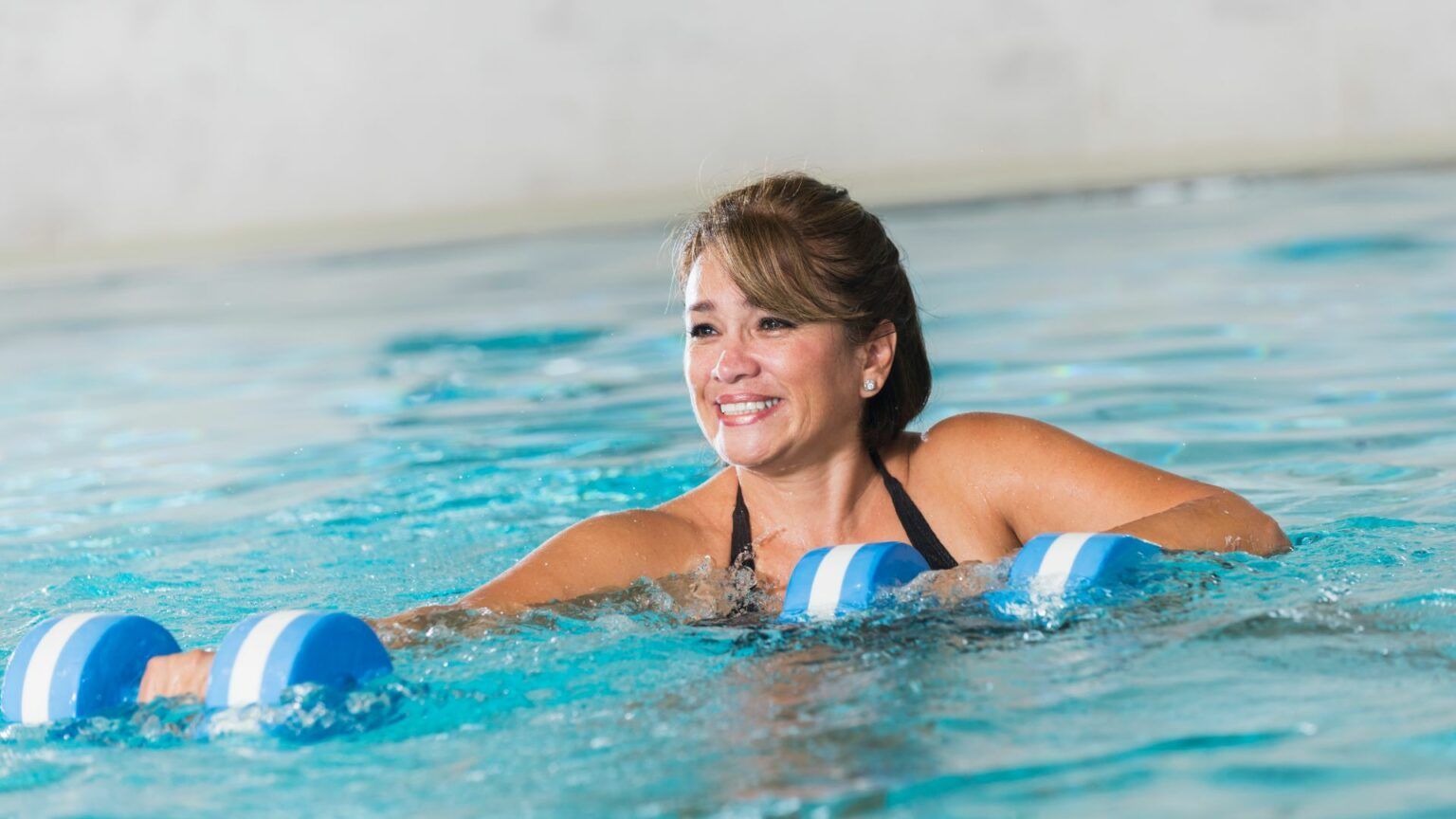
Aquatic Physical Therapy
Patients love our aquatic therapy! It is easier on your joints and muscles as you get moving again. Aquatic therapy is fun and effective! Learn more here

Auto Accident Physical Therapy
Have you been in a car, truck or motorcycle accident? Whiplash, back pain, headaches - ReLive treats it all! Call us today.

Balance & Fall Prevention
It can be difficult to keep our balance and falls become more common as we age. Check out ReLive's Balance & Fall Prevention program to reduce those risks.
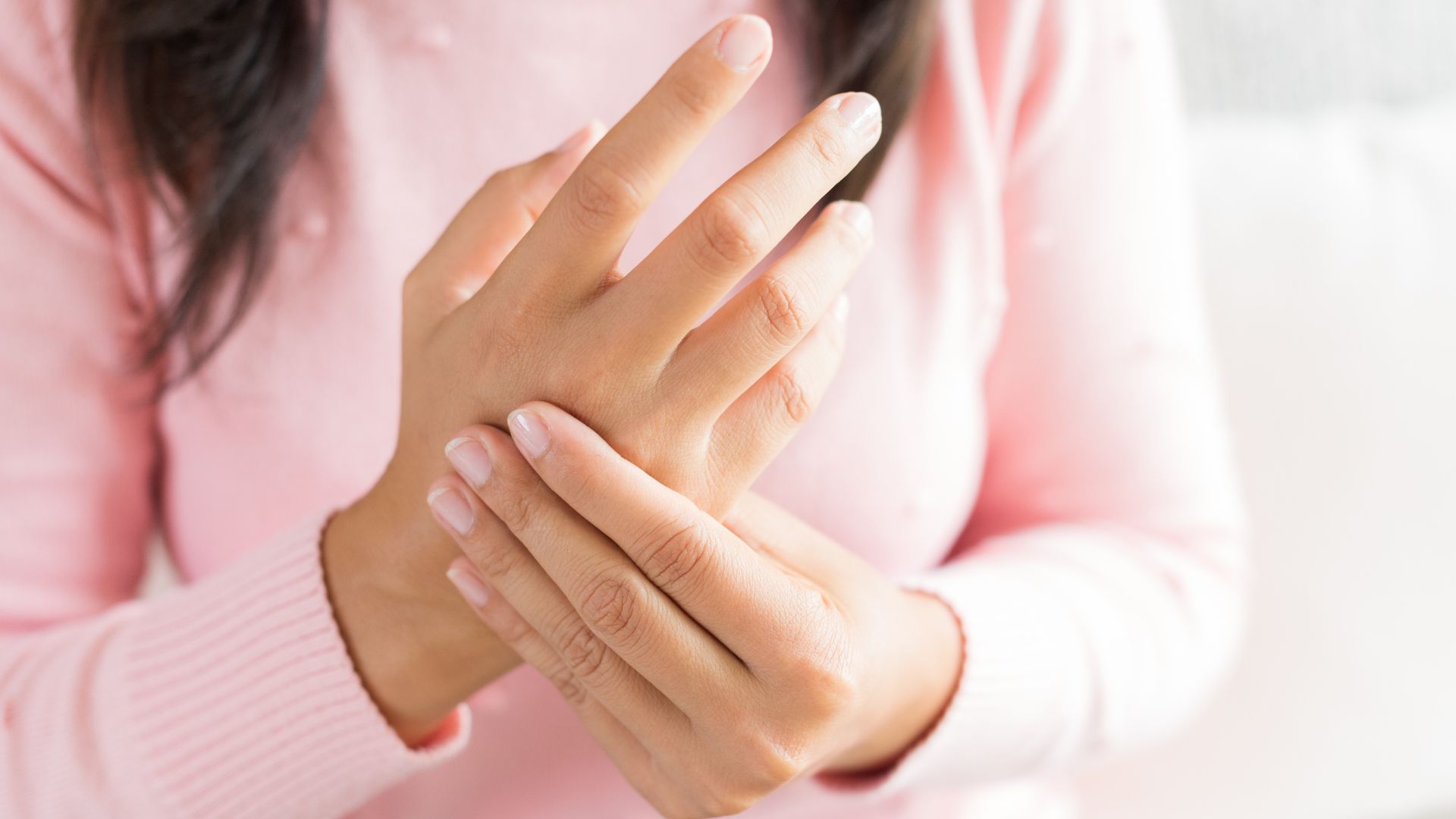
Certified Hand Therapy
Hand injuries can be a difficult area to achieve 100% recovery. However, our hand therapists are known for spectacular results.
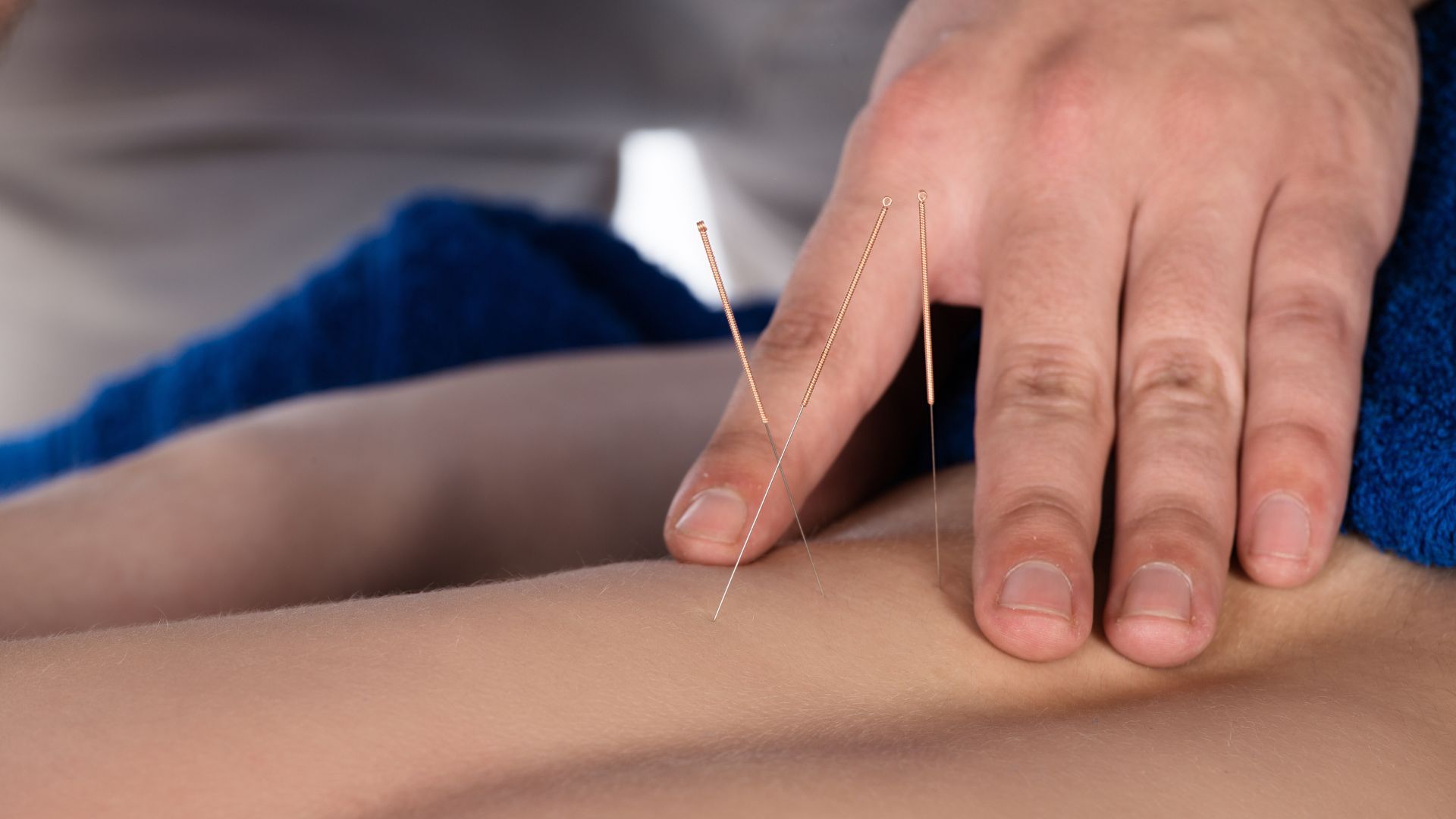
Dry Needling
Dry needling is becoming more and more popular for injury and muscle recovery due to immediate relief. See one of our certified dry needling experts today!

Free Injury Screening
ake advantage of our Free Injury Screening offer. One of our PT's will be able to tell you and show you how we can help you get back to full mobility.

Manual Therapy
ReLive's dedicated 1:1 therapy ensures you get manual therapies done thoroughly. Tired of being treated in groups? Call ReLive today!
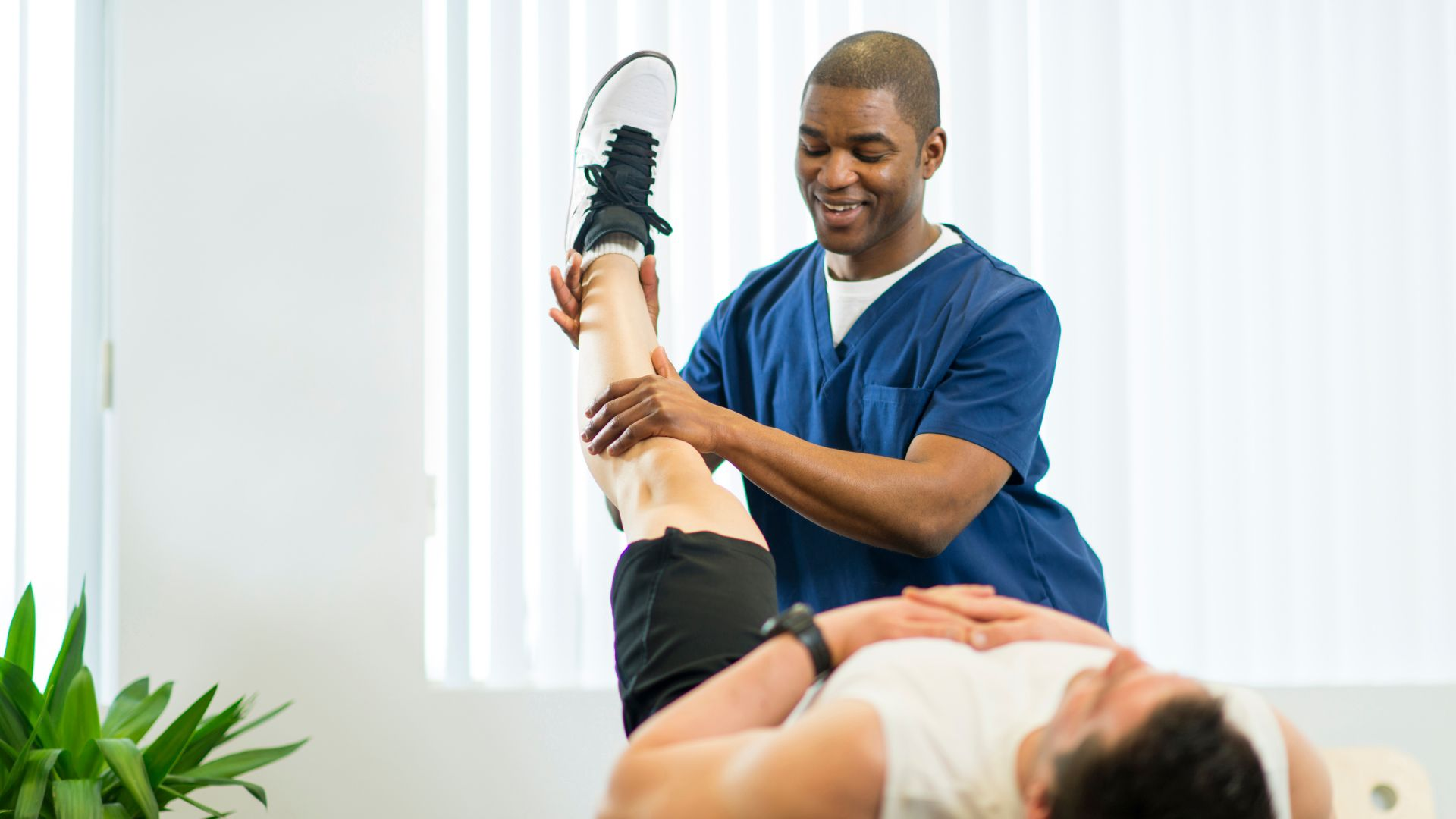
Post-Surgery Physical Therapy
PT after surgery ensures that you recovery fully and get the maximum range of motion. Get better faster with ReLive's post surgery program.

Sports Medicine
With our passionate sports medicine physical therapists, you'll be back in the game and top performance in no time. Call today to learn more.

Vestibular Therapy
Do you suffer from vertigo or dizziness? Did you know that physical therapy can help long & short term? Learn how we can help eliminate vertigo.

Women’s Health & Pelvic Floor Physical Therapy
We have specialty therapists fluent in women's health therapy, including pelvic floor and other treatment needs. Call ReLive today to learn more!

Work Injury Therapy
Physical therapy after a work injury is essential for preventing long-term damage. Our therapists will get you recovered and ready for work.

Request an appointment

Talk to one of our physical therapy experts
Get started on your journey to healing
Ready to Discuss Your Next Step?
You do not have to decide on a treatment before reaching out. Start with a conversation about your symptoms and goals, and let our team help you arrange an evaluation.
Call (630) 339-3849 or submit an appointment request online. A Patient Service Advocate will follow up to confirm scheduling details and help coordinate care at an appropriate location.